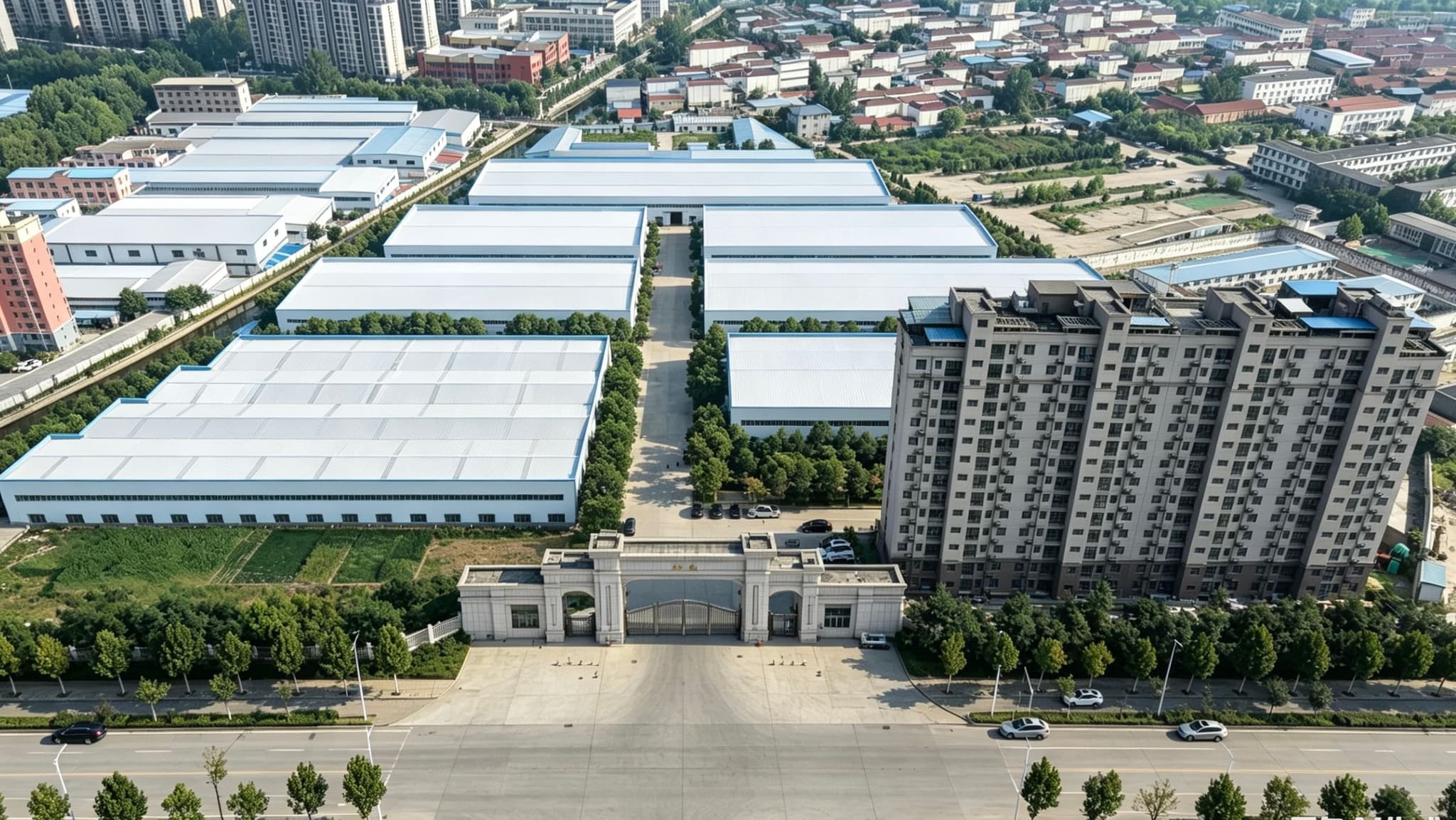
Paper Machine Clothing Manufacturer in China
Forming fabrics, press felts and dryer fabrics reviewed against paper grade, machine section and actual operating conditions.
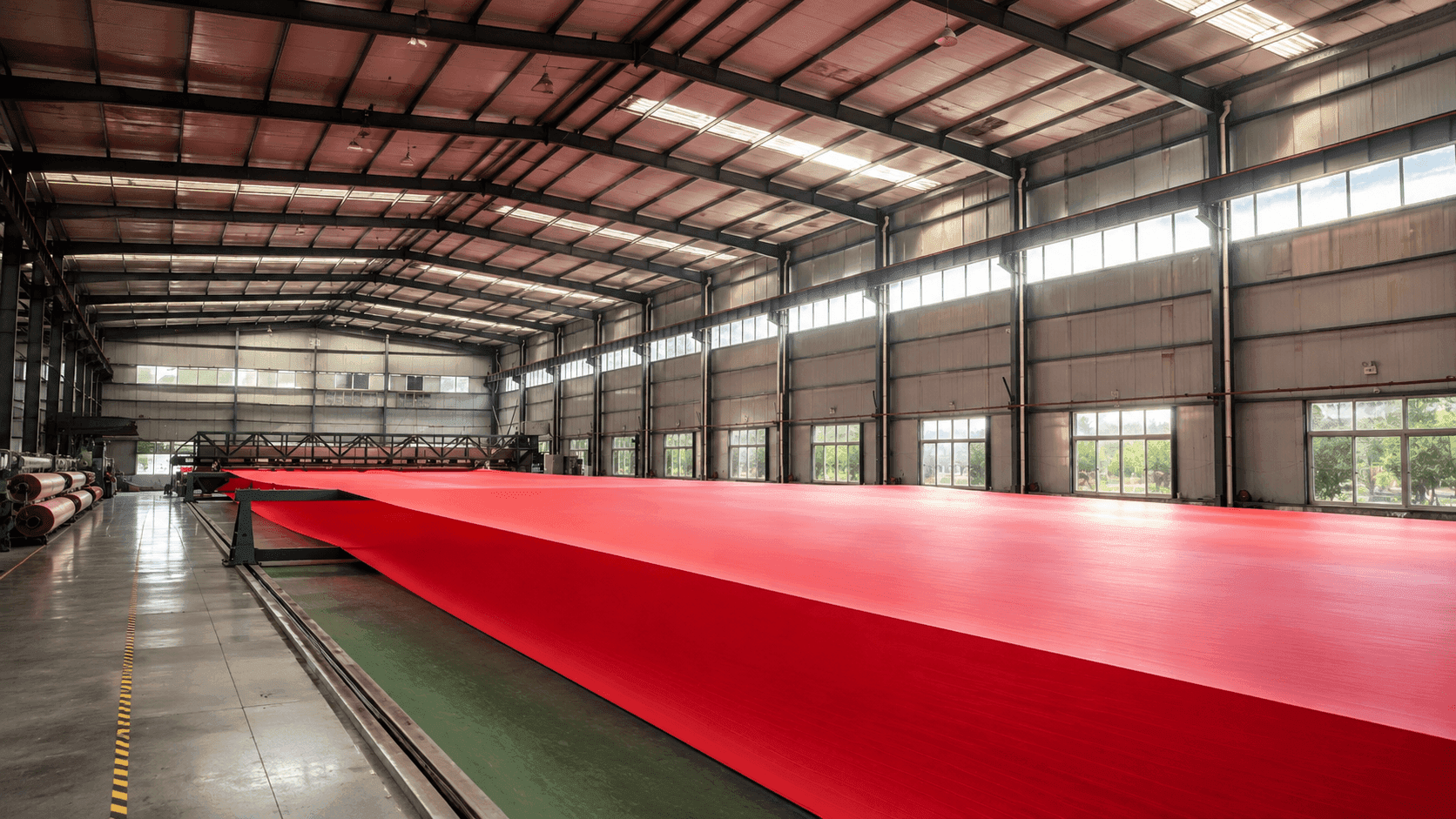
Forming, Press and Dryer Fabric Selection
Compare the role of each PMC family and organise the machine data needed before a position-specific specification review.
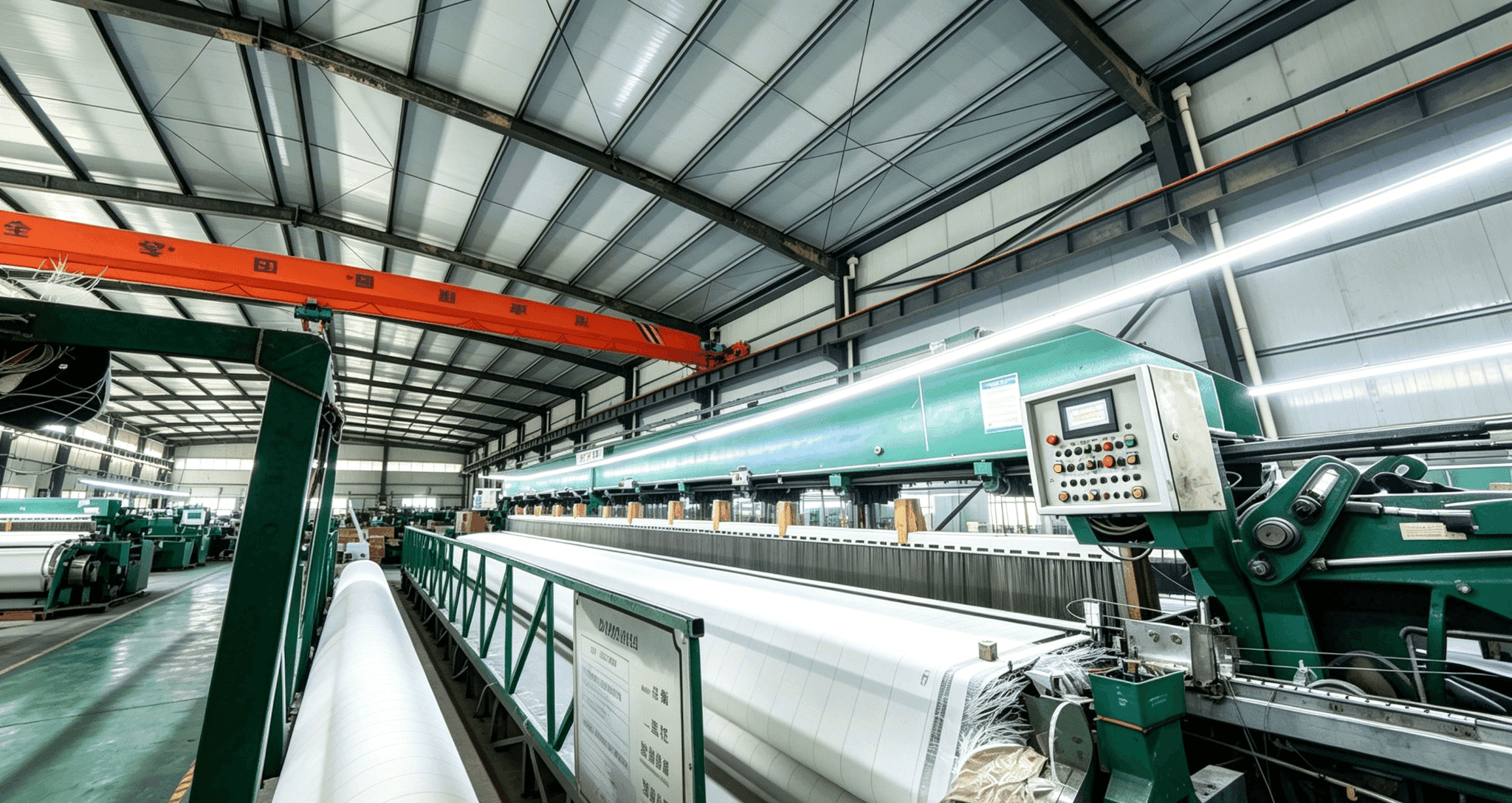
Technical Review Before Quotation
Share paper grade, machine section, speed, dimensions, current fabric and operating issue so the specification can be reviewed before quotation.
What is Paper Machine Clothing (PMC)?
Paper Machine Clothing (PMC) includes forming fabrics, press felts and dryer fabrics used in modern paper machines. PAPTEX provides complete PMC solutions for tissue, packaging and specialty paper mills.
One PMC Manufacturer, Three Core Sections
Discuss specification needs across forming, press and dryer sections with one technical contact, based on your paper grade and operating conditions.
Fabric Solutions Optimized for Every Paper Grade
Every paper grade has unique fabric requirements. We match the optimal forming fabric, dryer fabric, and press fabric to your paper grade.
Tissue Paper
High-speed tissue machines demand fabrics with precise drainage and fiber support for lightweight sheets at speeds up to 2,200 m/min.
Packaging Paper
Containerboard and carton board machines require fabrics with high durability and consistent drainage for heavier basis weights.
Kraft Paper
Sack kraft and linerboard production demands maximum fabric tensile strength and wear resistance for long, high-tension runs.
Corrugated Paper
Fluting medium and test liner machines need fabrics that balance drainage speed with fiber retention for medium-weight grades.
Board Paper
White board and duplex board machines require excellent sheet surface quality and consistent moisture profiles across wide machines.
Specialty Paper
Filter paper, release paper, and thermal paper production requires customized fabric structures for specific drainage and surface requirements.
Pulp & Nonwoven
Pulp drying and nonwoven fabric production require heavy-duty fabrics with high void volume and excellent chemical resistance.
Not sure which fabric fits your paper grade? Let our engineers analyze your needs.
Ask an Engineer →Complete Paper Machine Clothing Range
From forming fabrics to dryer fabrics to press fabrics — engineered PMC solutions for every section of your paper machine.
Forming Fabric
Forming fabric product families for paper-machine forming sections. Structure and parameters should be reviewed against paper grade, former configuration, drainage needs and actual machine conditions.
Dryer Fabric
Dryer fabric product families for paper-machine dryer sections. Structure, seam and permeability should be reviewed against dryer position and actual operating conditions.
Press Fabric
Press fabrics optimized for maximum nip dewatering, sheet surface quality, and long service life. Available in BOM, Laminated, and Needle Felt constructions.
Dewatering Belt
Heavy-duty sludge dewatering belts for effluent treatment in pulp and paper mills. High void volume for efficient sludge dewatering.
Monofilament
High-quality virgin polyester monofilament yarns for paper machine clothing manufacturing and repair. Available in diameters from 0.08mm to 1.0mm.
Filter Fabric
Industrial filter and dewatering fabrics for environmental applications including sludge dewatering, effluent treatment, and chemical filtration. Chemical and pH resistant.
Non-woven Mesh
Specialized mesh fabrics for non-woven production including spunbond, meltblown, spunlace, and needle-punch processes. Uniform air distribution with fine mesh surface.
Review Machine Conditions Before Confirming Specifications
Organise paper grade, speed, dimensions, current fabric and operating issues for the exact machine position before a specification is confirmed.
PMC Technical Overview
Compare forming fabrics, press felts and dryer fabrics with source-specific model references.
View online →Prepare Machine Data
Organise paper grade, speed, dimensions and the current operating issue by machine section.
Use the selection assistant →Start a Technical Discussion
Share the available details so the team can review a suitable construction and specification range for the position.
Contact PAPTEX →Paper Machine Clothing Technical Resources
From fabric selection guides to maintenance best practices — technical resources to help you optimize PMC performance.
Forming Section
Guide to the paper-machine forming section: fabric selection, drainage, sheet formation and fiber retention for Fourdrinier, twin-wire and hybrid formers.
Press Section
Everything about the press section: nip dewatering, press felt selection, compaction control, and moisture profile optimization for maximum dry content after pressing.
Dryer Section
Guide to dryer-section heat transfer, steam use, dryer-fabric selection, air-permeability review and fabric tracking for paper machines.
Paper Grades
Paper-grade-specific PMC selection: packaging paper, cultural paper, tissue, kraft, specialty paper. Each grade has unique demands on fabric design, permeability, and surface properties.
Fabrics
In-depth knowledge about paper machine clothing: weave structures, material science (PET, PA, PPS), surface treatments, and performance characteristics across all fabric types.
Maintenance
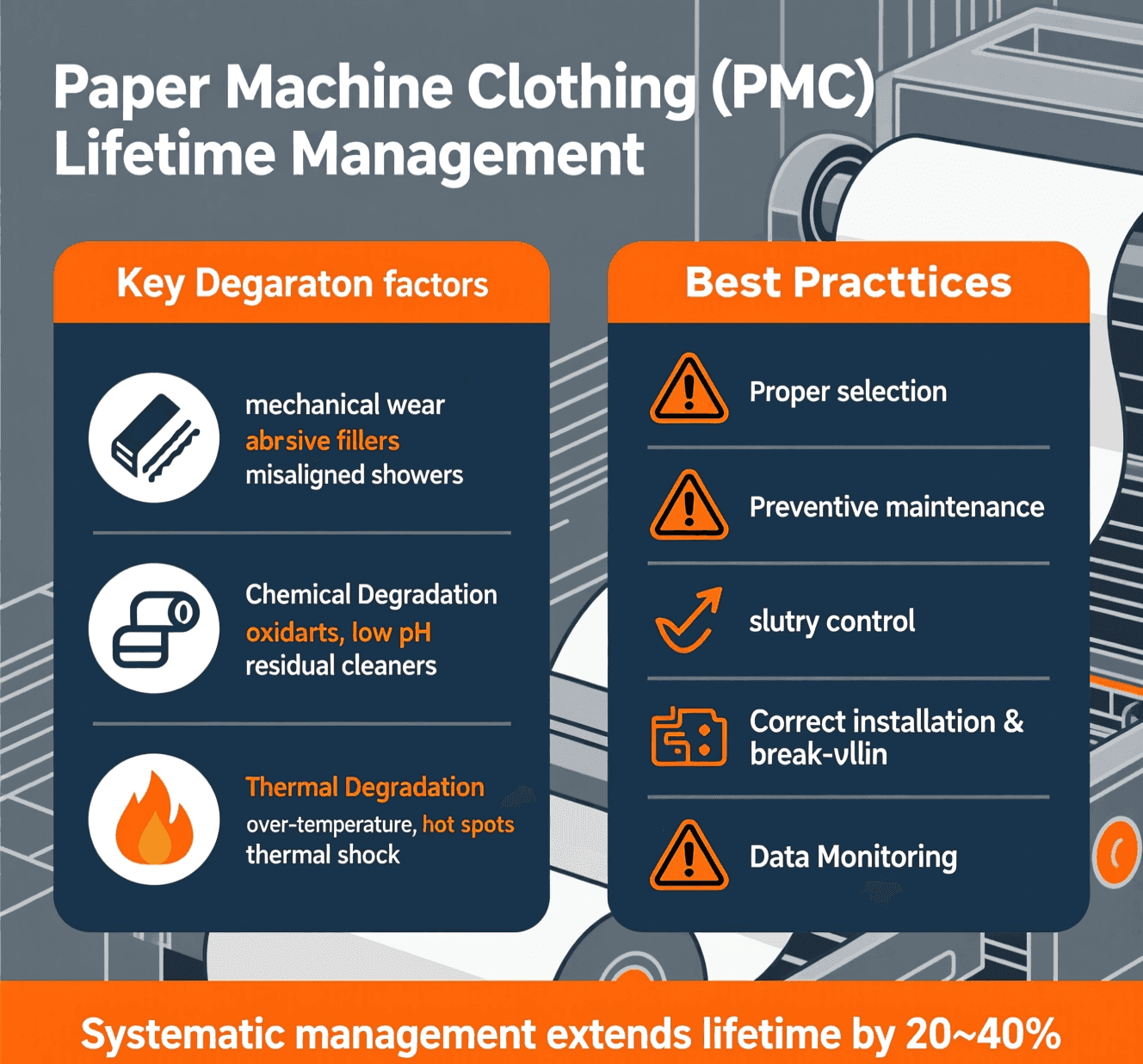
PMC maintenance best practices: cleaning procedures, storage guidelines, inspection schedules, and fabric life extension techniques. Maximize ROI through proper care.
Latest Industry Insights
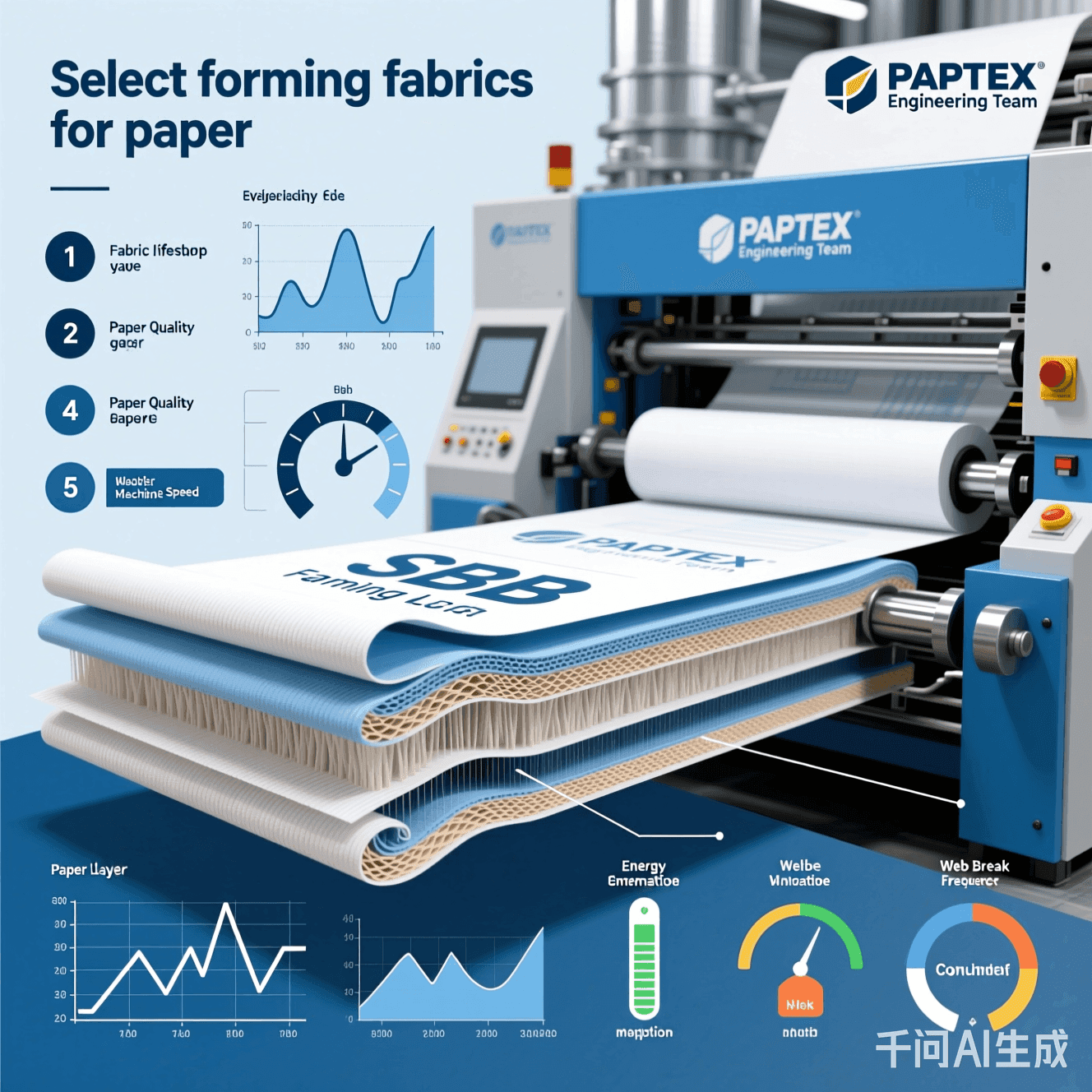
Popular Product Comparisons
Compare paper machine clothing specifications side-by-side to find the best fabric for your application.
Frequently Asked Questions
Common questions about paper machine clothing — from selection to installation to maintenance.
How do I choose the right forming fabric for my paper machine?
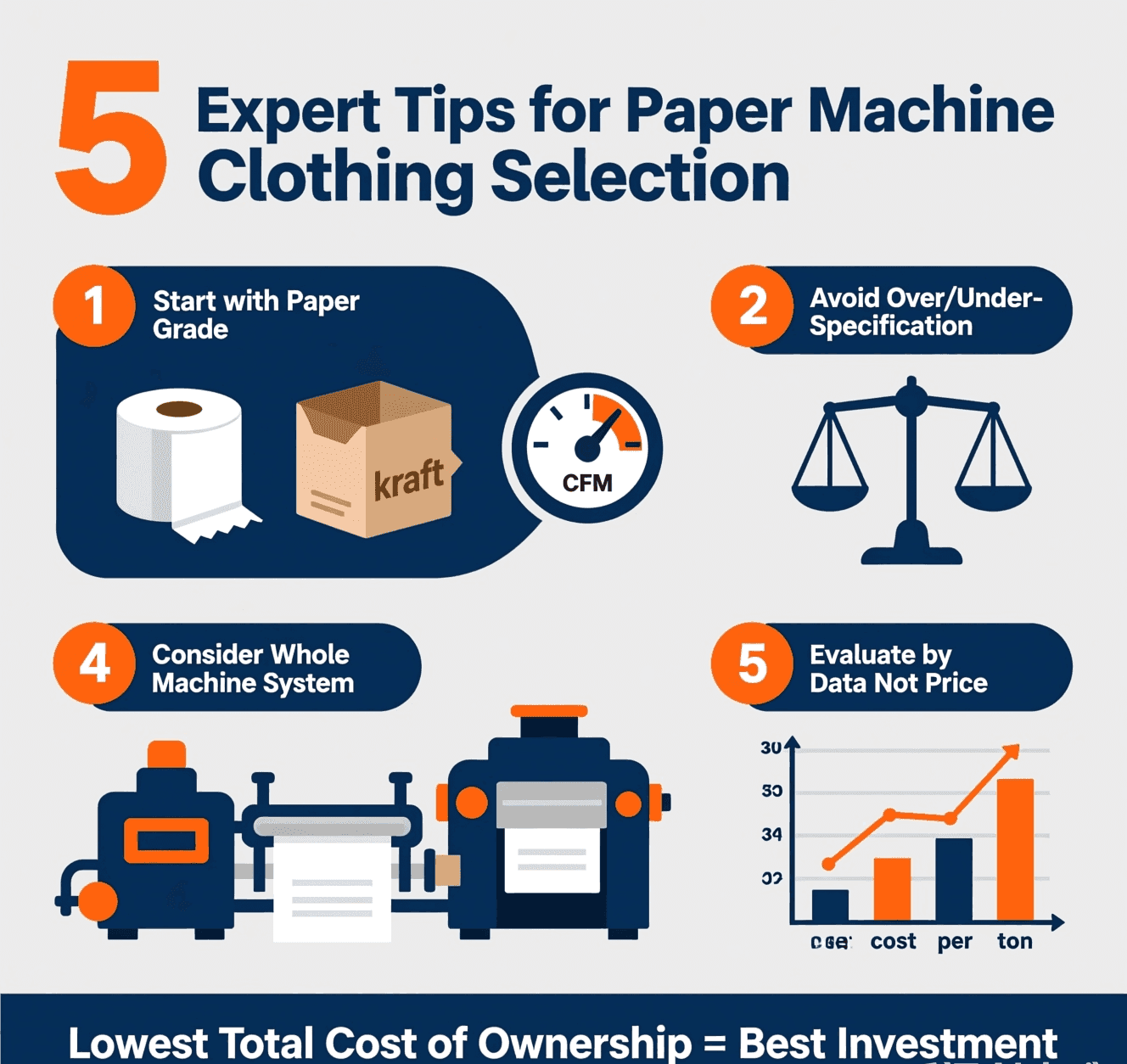
Selection depends on paper grade, machine speed, basis-weight range, former configuration and drainage needs. Review the construction and parameters against the machine position and current fabric information.
What is the typical service life of a forming fabric?
Service life depends on paper grade, speed, tension, cleaning, contact elements and contamination. Review the current fabric record and failure mode rather than relying on one promised number of days.
Do you provide on-site technical support?
State the required support, product position and project location in the enquiry. Available documentation, remote discussion or on-site support is confirmed for the product, market and project.
What is the MOQ and delivery time?
Minimum order quantity and delivery timing depend on the confirmed construction, dimensions, production schedule and destination. Confirm both in the formal quotation after technical review.
What is the maximum fabric width you can produce?
Provide the required width, length, seam type and machine position. Available dimensions and construction are confirmed during technical review and formal quotation.
How do I get a quotation?
Use the contact form to provide paper grade, machine section, speed, dimensions, current fabric and operating issue. The team will review the information and confirm the next step required for specification and quotation.
Have more questions? Our engineers are ready to help.
Contact Us →Common Technical Route Comparisons
Compare technical routes across all machine sections to find the best solution.